About All Tours Blue Fire ToursFrom Bali ToursAnd Mount Bromo ToursFrom Surabaya ToursFrom Banyuwangi ToursFrom Bali ToursFrom Yogyakarta ToursFrom Malang Tours Directions Hours & Fees
Find Tours 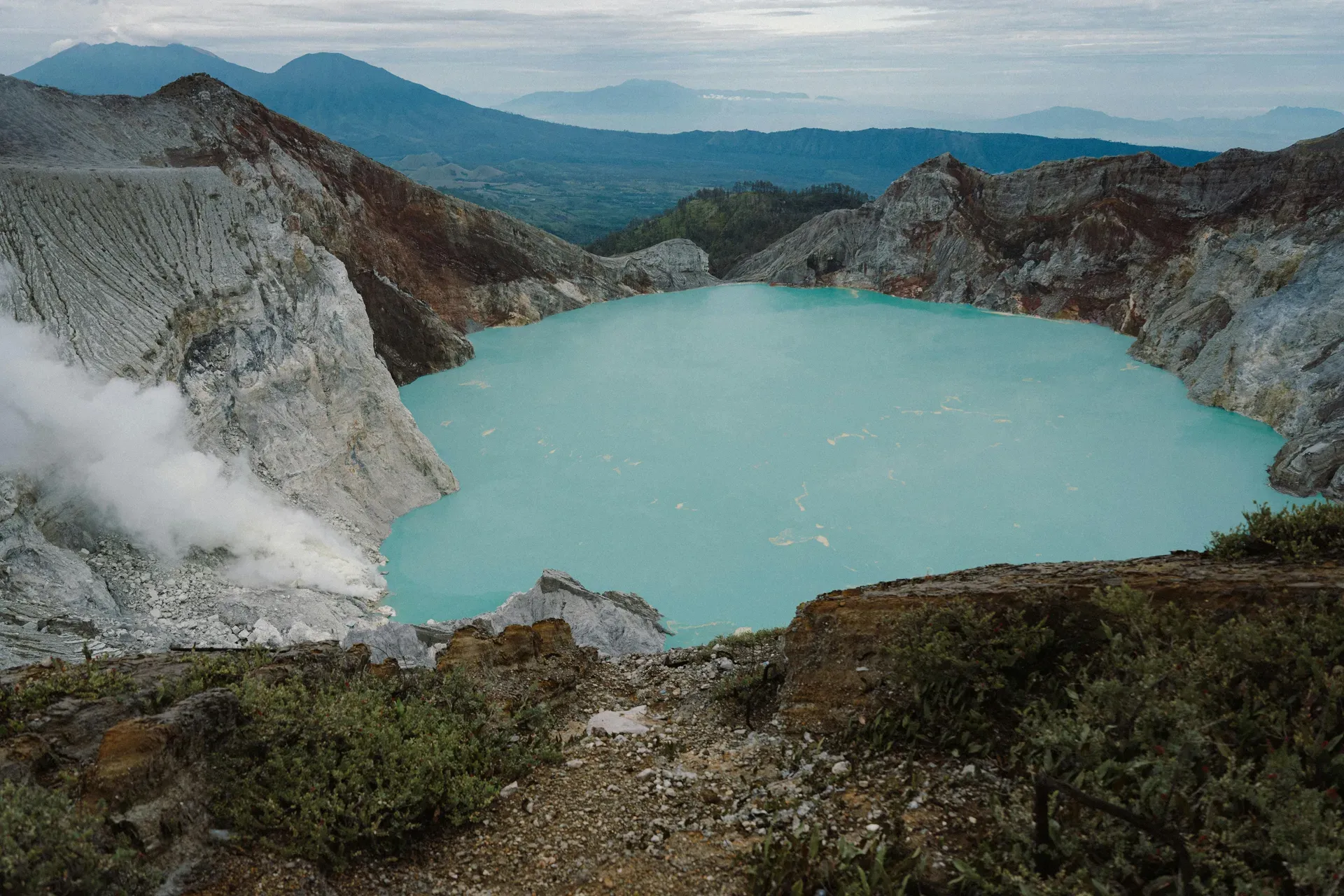
Hike to an elevation of 2,799 meters in total darkness to see electric-blue sulfuric gas igniting at 600 °C. Dawn reveals a 700-meter-wide turquoise crater lake holding 36 million cubic meters of water with a pH below 0.3.
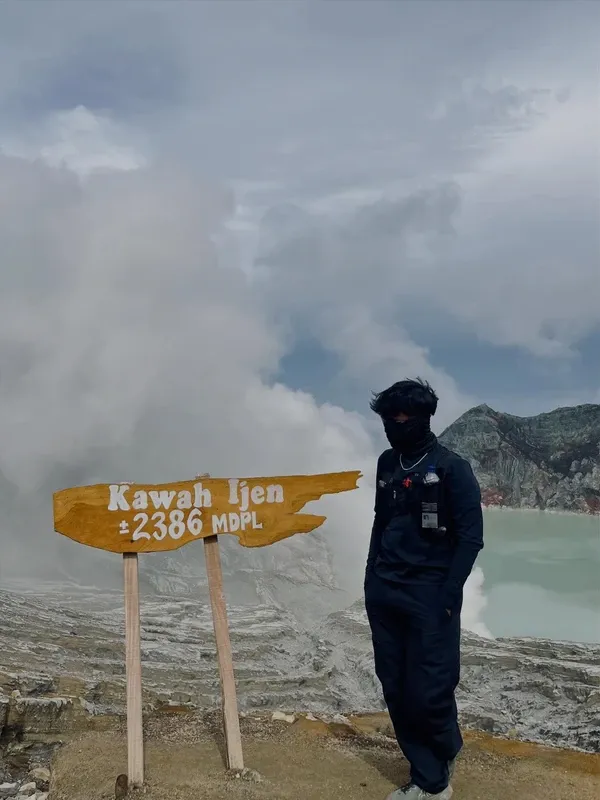
Find Guided ToursKawah Ijen is an active stratovolcano complex located on the eastern edge of Java, Indonesia. Standing at an elevation of 2,799 meters above sea level, the site was officially designated as a UNESCO Global Geopark in 2023 for its geological, biological, and cultural importance. The crater rim sits at approximately 2,386 meters, enclosing a massive, one-kilometer-wide turquoise crater lake.
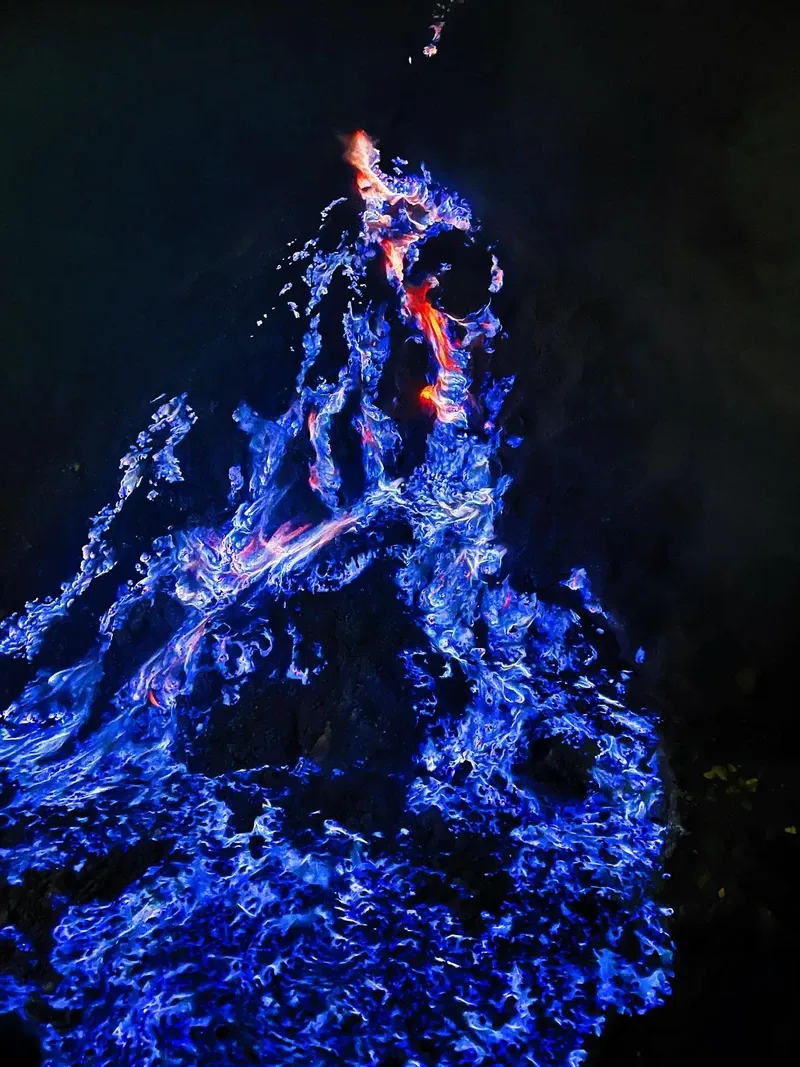
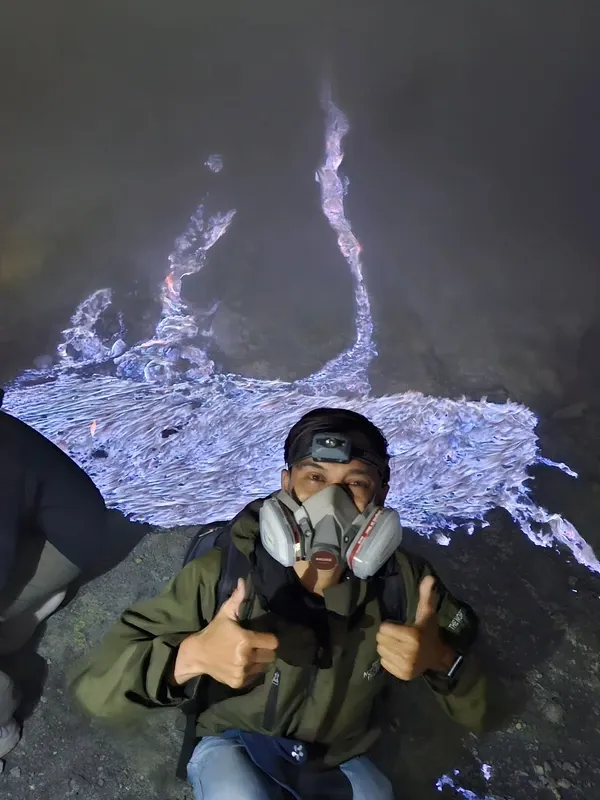
This body of water is the world's largest highly acidic crater lake, holding an estimated 36 million cubic meters of water with a pH level below 0.3. The lake is roughly 700 meters wide and plunges to a depth of 200 meters. Kawah Ijen is globally recognized for its rare blue fire phenomenon. When high-temperature sulfuric gases reaching 600 °C make contact with oxygen, they ignite to create electric-blue flames that are only visible in total darkness.
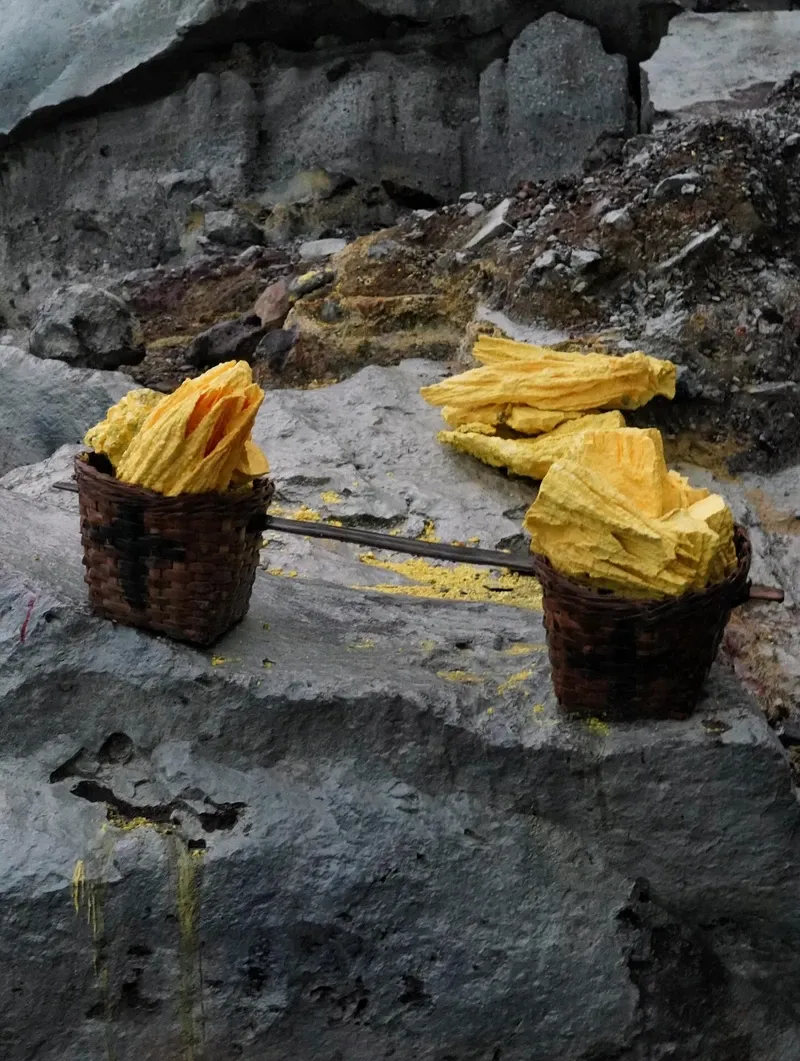
The volcano is also one of the few places on Earth where artisanal sulfur mining still takes place. Local miners extract solidified sulfur by hand from the active crater. They carry heavy loads weighing between 70 and 90 kilograms up steep, rocky dirt paths with an average slope of 25 percent.
Volcanic activity in this region began approximately 300,000 years ago with the formation of the Old Ijen stratovolcano. Roughly 50,000 years ago, a massive explosive eruption collapsed the structure, creating the vast 20-kilometer-wide Ijen caldera that dominates the landscape today. The complex remains highly active. Its last major magmatic eruption occurred in 1817, and several phreatic eruptions were recorded more recently in 1993, 1994, 1999, and 2002.
Discover the full history and cultural significance on our About page.
High-temperature sulfuric gases ignite at 600°C upon contact with oxygen, creating bright blue flames. This chemical reaction is only visible in total darkness. Hikers begin the 3-kilometer trek at 2:00 AM to reach the crater and view the event before dawn.
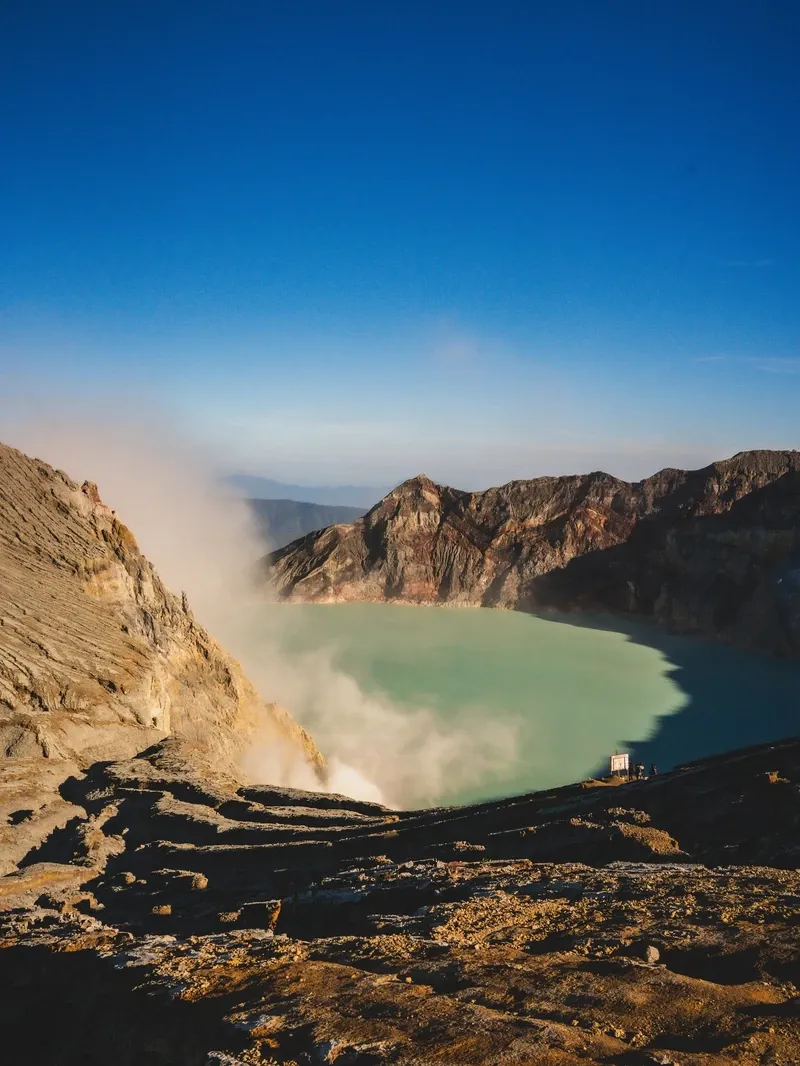
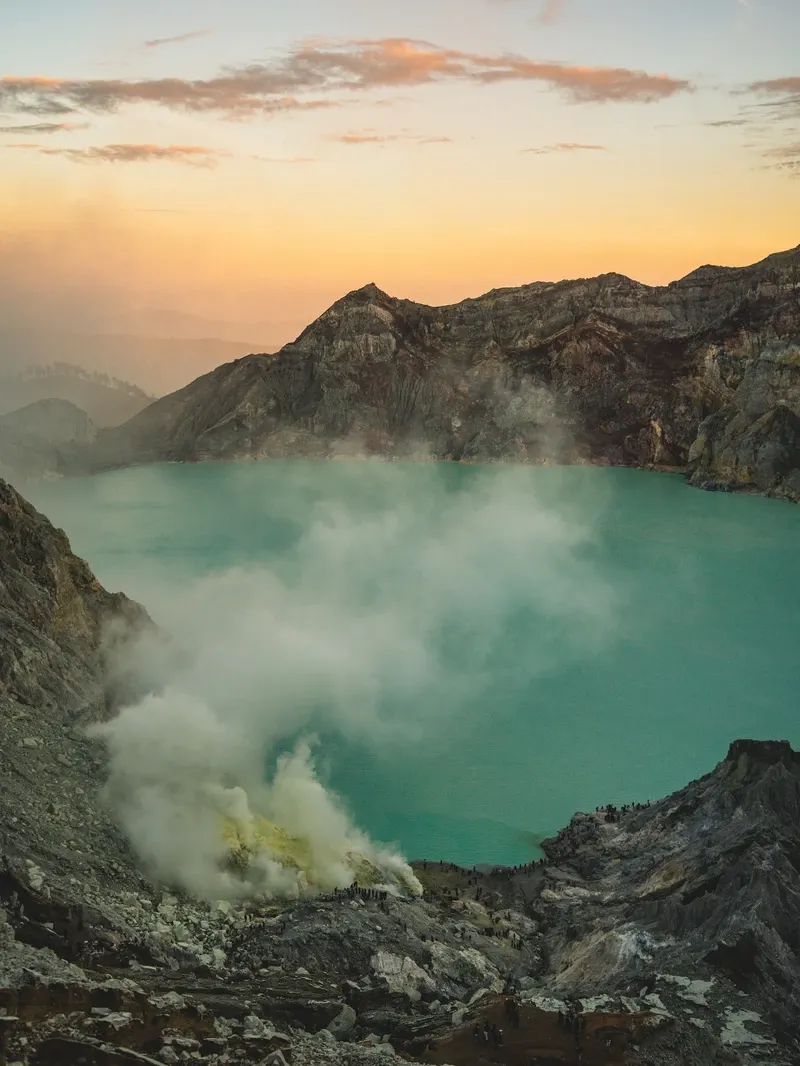
The 700-meter-wide turquoise lake holds 36 million cubic meters of water. With a pH level below 0.3, the water is as acidic as battery acid. Sunrise illuminates the heavy sulfur clouds and highlights the stark contrast between the bright water and the steep 2,386-meter crater rim.
Kawah Ijen is one of the last places on Earth where sulfur is extracted by hand. Miners work in hazardous conditions, breaking off pieces of solidified sulfur. They carry loads weighing between 70 and 90 kilograms up steep, rocky paths with a 25 percent average slope.
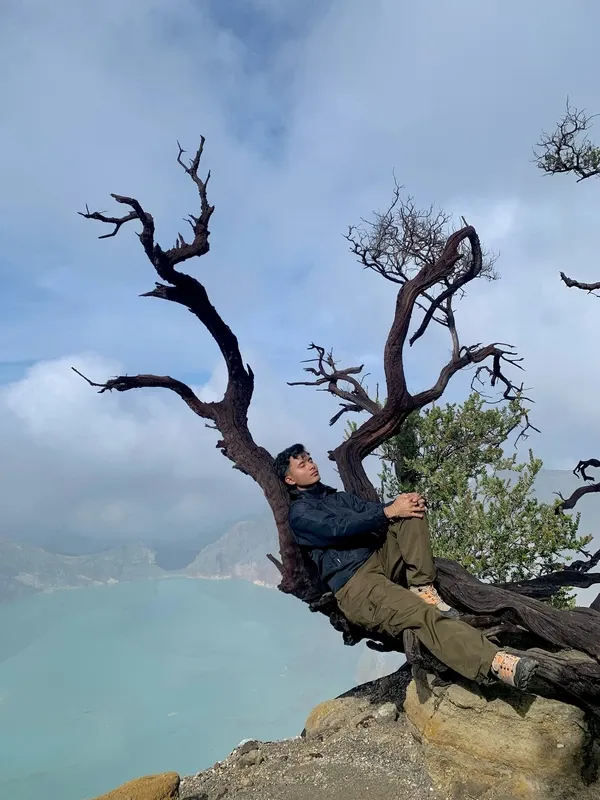
The trail passes through Hutan Mati, a landscape of bleached, skeletal trees destroyed by past volcanic activity. This stark zone sits near the crater rim. It provides a dramatic foreground for photography against the distant volcanic peaks of Mount Merapi and Mount Raung.
Hand-picked tours with free cancellation and verified reviews
 Free Cancellation 48h
  Free Cancellation 72h
  Free Cancellation 72h
  Free Cancellation
  24h
24h  Free Cancellation 24h
  Free Cancellation 8h
  Free Cancellation 72h
 The optimal window for visiting Kawah Ijen is during the dry season from April to October. These months provide clear skies for viewing the blue fire and safer conditions on the 3-kilometer dirt trails.
March falls within the rainy season, bringing fog and slippery paths. Conditions improve significantly in April and May as the dry season begins, offering safer trails and clearer skies.
This is the peak of the dry season. Hikers benefit from optimal visibility of the 600 °C blue fire and the 700-meter-wide crater lake, with minimal risk of rain closures.
September and October remain dry and clear, ideal for the 1.5 to 2-hour hike. November brings a transition into the rainy season, increasing the likelihood of fog and wet paths.
The rainy season dominates these months. The steep paths with a 25% slope become highly slippery, fog frequently obscures the crater, and heavy rainfall can trigger sudden closures.
Kawah Ijen is open daily from 02:00 AM to 12:00 PM (noon). The site is closed on the first Friday of every month for conservation purposes.
| Category | Price |
|---|---|
| International Visitors (Weekdays) | 100,000 IDR |
| International Visitors (Weekends) | 150,000 IDR |
Online ticket booking is required via tiket.bbksdajatim.org. As of January 2024, all visitors must present a mandatory medical health certificate confirming no history of heart or respiratory issues. The park enforces a daily visitor limit of 2,000 people.
For complete schedules and ticket prices, visit our Hours & Fees page.
Most travelers access Kawah Ijen via the nearby city of Banyuwangi, located 35 to 40 kilometers away. Visitors traveling from Bali can also reach the volcano base camp by combining ferry or fast boat services with a short overland drive.
Travelers can book a shared shuttle departing from Banyuwangi for the 35-kilometer drive to the Paltuding base camp. Vehicles typically leave the city between 12:30 AM and 1:00 AM. This schedule aligns perfectly with the required timing for the midnight hike. It provides a straightforward and economical transport method for solo hikers wanting to reach the crater before dawn.
Hiring a private 4x4 jeep from Banyuwangi is the most reliable method for navigating the steep, damaged roads leading to Paltuding. The 40-kilometer route takes approximately an hour and a half to complete. These rugged vehicles can comfortably accommodate up to five passengers. Groups often prefer this option to split the total cost while ensuring a safe transit to the starting point.
Visitors originating from Serangan in Bali can utilize a fast boat service to cross into East Java. The water crossing to Marina Boom in Banyuwangi takes roughly three hours to cover the 150-kilometer distance. Upon arrival at the marina, travelers must secure a car for the final leg. This onward drive to the base camp adds another 1.5 hours to the transit.
A highly economical route from Bali begins at the Gilimanuk port. Passengers take a 45-minute public ferry across the strait to Ketapang. After disembarking in East Java, visitors need to hire a local car or jeep to reach the Paltuding base camp. The entire 45-kilometer transit requires careful timing to ensure arrival before the early morning hiking window closes.
For detailed transport options and routes, visit our Directions page.
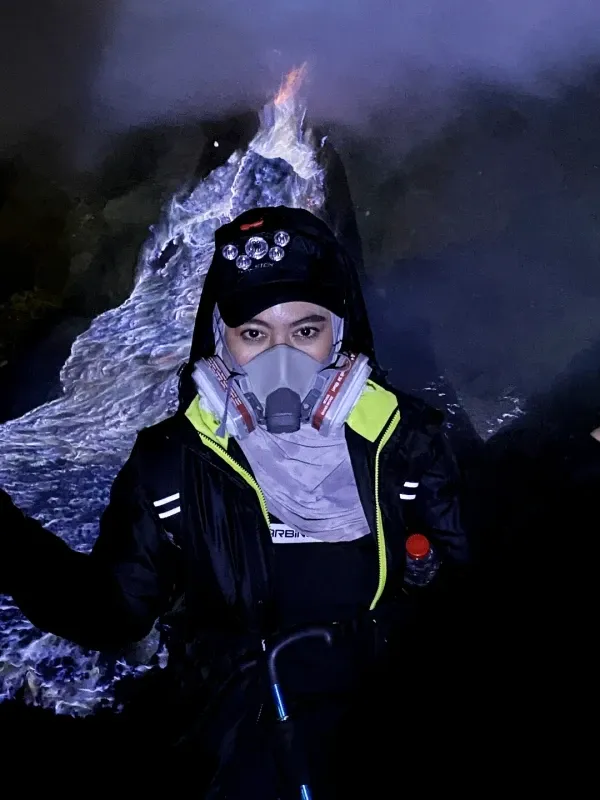
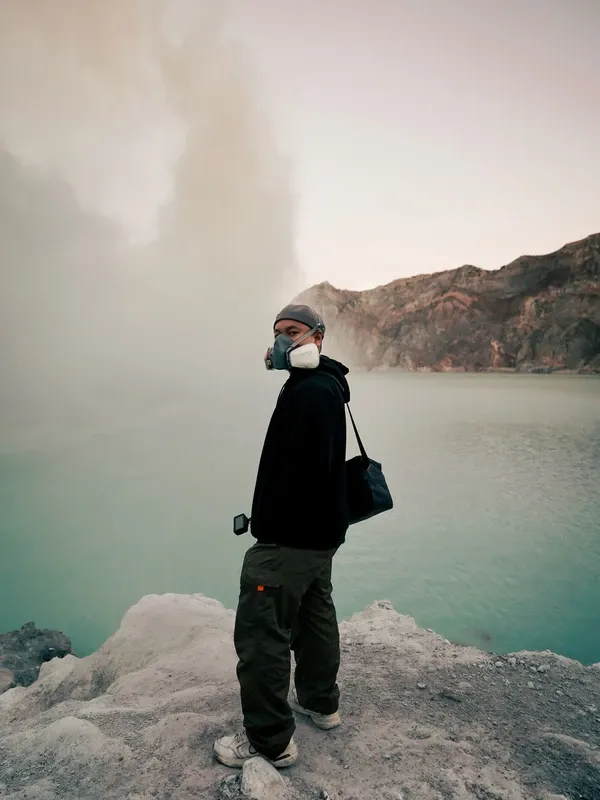
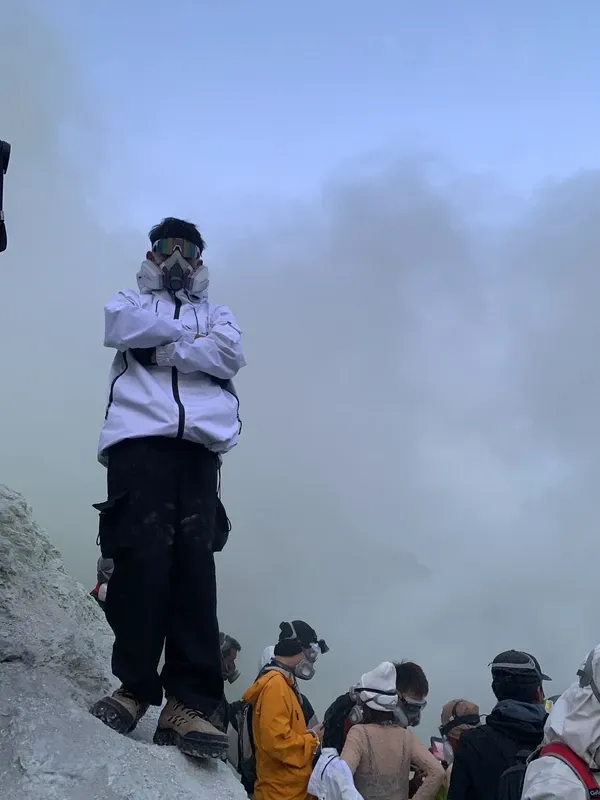
Standard surgical masks provide zero protection against Kawah Ijen's toxic fumes. Rent a professional gas mask at the Paltuding base camp for approximately 45,000 IDR. Leave your contact lenses at home. Sulfuric acid in the air reacts with eye moisture and causes severe irritation.
Temperatures at the 2,799-meter summit regularly drop below 10°C before sunrise. Dress in warm layers to prevent hypothermia, but choose old clothes. The strong sulfur odor is nearly impossible to wash out, and the volcanic gases can permanently damage certain fabrics. Pack a headlamp to keep your hands free.
As of January 2024, all visitors must present a valid medical certificate confirming no history of heart or respiratory issues. People with asthma are strictly prohibited from hiking. You must also book your entrance tickets online through tiket.bbksdajatim.org before arriving at the park.
The park strictly closes every first Friday of the month for conservation efforts. On open days, start your 3-kilometer hike from the base camp at 02:00 AM. This timing is essential to reach the crater and view the 600°C blue fire before dawn.
The trail consists of steep, narrow dirt paths with an average slope of 25%. You will share this route with artisanal miners carrying loads of solidified sulfur weighing 70 to 90 kilograms. Always prioritize the path for these workers. Pay close attention to ranger instructions regarding shifting gas clouds.
There are no shops or facilities once you leave the Paltuding base camp. Bring at least 1.5 liters of water and high-energy snacks for the 4 to 6-hour round trip. Make sure to use the base camp toilets before starting, as none exist along the trail.
Known as the 'Africa of Java', this park features vast savannas. Visitors can observe wild water buffalo roaming the open landscape. It provides a stark contrast to the volcanic terrain.
This scenic twin waterfall sits conveniently on the road returning to Banyuwangi. It serves as a practical stop after hiking the crater. The site provides a quick natural detour.
Located within Meru Betiri National Park, this coastal area is an active nesting ground. Sea turtles come ashore here at night to lay their eggs. The site rewards wildlife enthusiasts.
Read what travelers share about their experience visiting Kawah Ijen — from practical tips to personal highlights.
The entrance fee for international visitors is 100,000 IDR on weekdays and 150,000 IDR on weekends. You must book your tickets online via tiket.bbksdajatim.org before arriving. As of January 2024, all hikers are also required to present a valid medical health certificate from a doctor.
You should begin your hike when the gates open at 02:00 AM. The trail is 3 kilometers long and takes approximately 1.5 to 2 hours to reach the crater rim. Starting early ensures you reach the crater in total darkness, which is required to see the 600 °C ignited sulfuric gas before sunrise.
Banyuwangi is the closest major town, located roughly 35 to 40 kilometers from the Paltuding base camp. You can take a shared shuttle departing around 12:30 AM for 150,000 IDR, which takes 1.5 hours. Alternatively, a private 4x4 jeep costs about 500,000 IDR and handles the steep, damaged roads well.
Pack warm layered clothing because summit temperatures often drop below 10°C before dawn. You will also need a headlamp, sturdy hiking boots, and at least 1.5 liters of water. A gas mask is mandatory for descending into the crater and can be rented at base camp for approximately 45,000 IDR.
People with asthma or heart conditions are strictly discouraged from visiting due to the toxic sulfur fumes. The hike is also not recommended for children under 3 years old. The path itself is steep and rocky with an average slope of 25%, making it entirely inaccessible for wheelchairs.
The park is closed every first Friday of the month for conservation and a nature cleaning day. Sudden closures can also occur without notice if volcanic activity, such as seismic tremors or gas releases, increases. Check the Magma Indonesia website for real-time alerts before your visit.
No, swimming is strictly prohibited. The 200-meter-deep lake contains 36 million cubic meters of water with a pH level below 0.3. The water is as acidic as battery acid and will cause severe chemical burns upon contact.
Visitors who cannot complete the steep 3-kilometer hike on foot can hire a human-powered pedicab, known locally as a Trolley Taxi, to reach the rim. Keep in mind that a mandatory health certificate confirming no history of heart or respiratory issues is still required to enter the park.
Browse verified tours with free cancellation and instant confirmation.
Find Tours